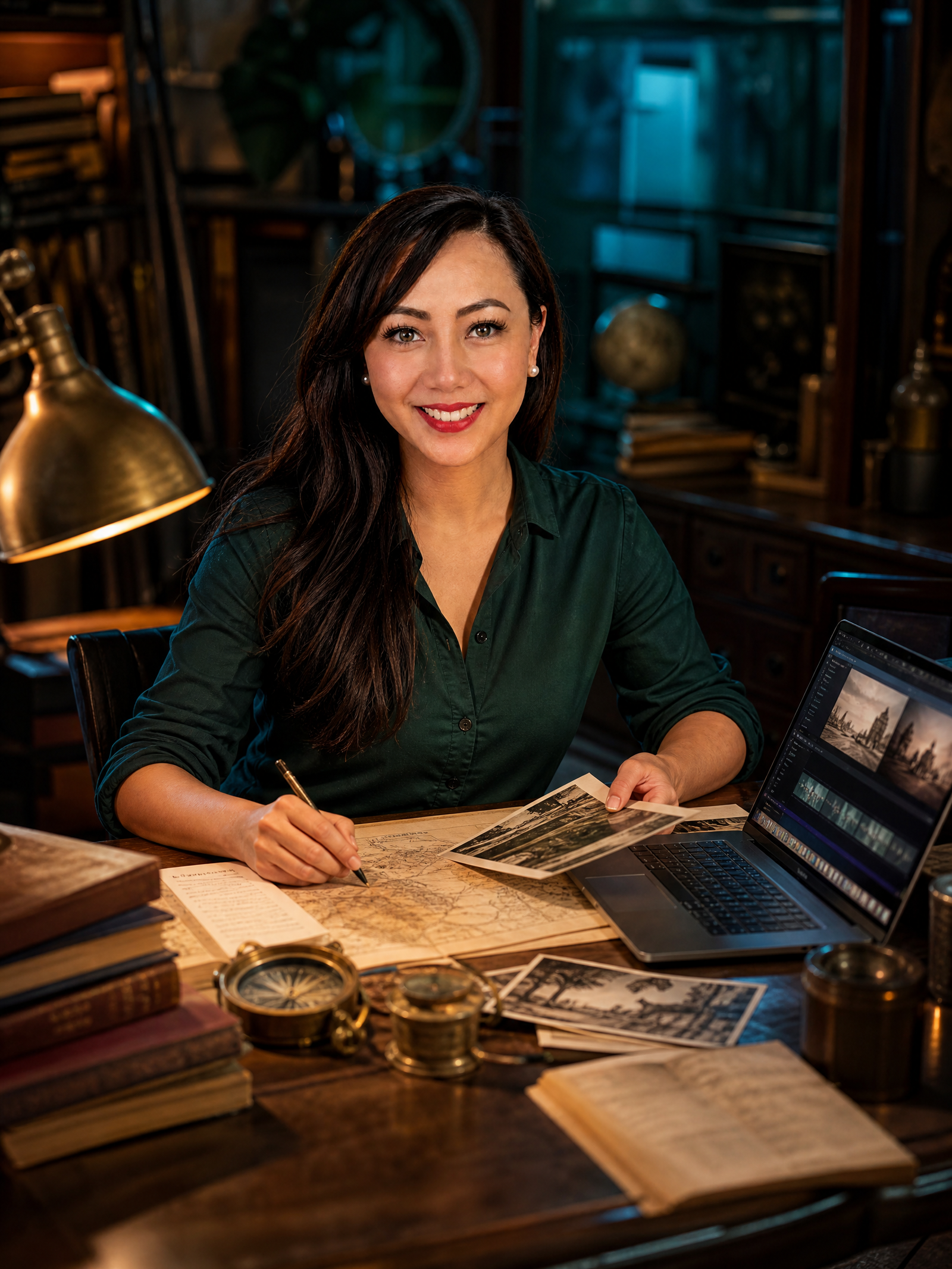
Behind the Adventure
How a moment becomes a time-travel story.
From reading the historical record to building a cinematic scene, here is the creative approach behind Mellisa Time Traveler.
The Creative Method
History leads. Technology helps us imagine.
MTT begins with a historical question: What happened? What would the people living through it have noticed? Which details survive in the record, and which remain uncertain?
Those questions shape the narrative, clothing, spaces, dialogue and visual sequences. AI-assisted production helps bring the interpretation to screen, while each companion page opens a path back to the evidence.
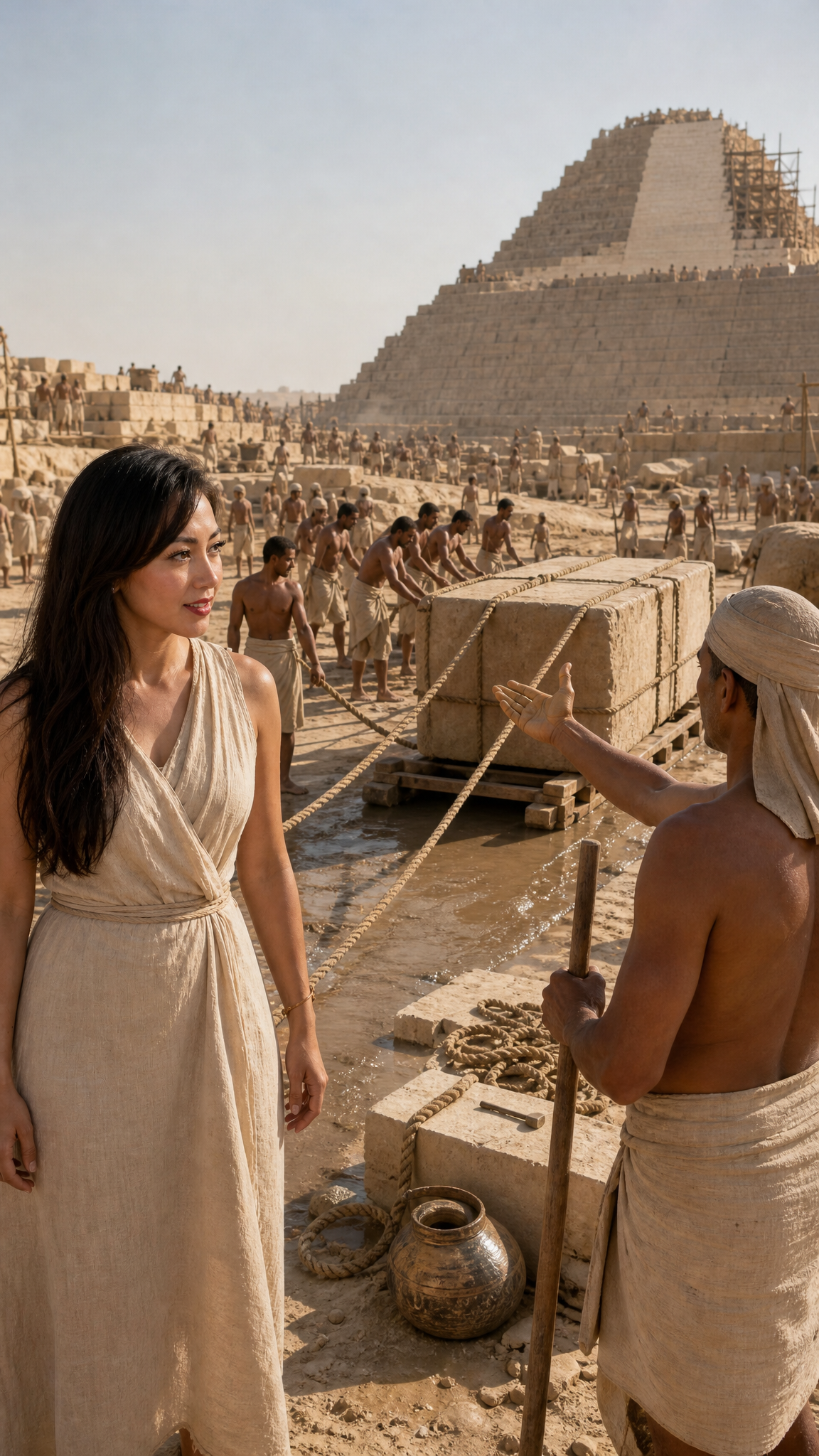
From Research to Release
Six stages of an MTT adventure.
The workflow can vary by episode, but these are the principles guiding the project.
Research the moment
Establish the date, location, sequence of events and key sources. Identify disputed accounts and gaps in the record early.
Design the story
Choose a first-person entry point for Mellisa, a memorable opening, human encounters and a clear historical discovery.
Build visual references
Define the setting, period clothing, architecture, objects and character continuity so the visual world supports the story.
Create the cinematic scenes
Use AI-assisted image and video tools, prompts and editing to turn a creative plan into an immersive sequence.
Review and refine
Check the visual continuity, clarity of the narrative and historically significant details. Avoid implying that invented elements are established fact.
Build the companion story
Connect the episode to context, historical progression, original video, reputable supporting material and places visitors can explore today.
What Is Real — and What Is Recreated?
A clear line between evidence and imagination.
The historical foundation
Dates, sites, artifacts, surviving accounts and established research form the basis of each story.
The cinematic experience
Camera viewpoint, movement, spoken moments and scene composition are storytelling choices. AI-generated visuals are reconstructions, not historical recordings.
The unanswered questions
When researchers disagree, the companion experience should identify the limits of the evidence rather than declare a mystery solved.
See the Method in Action
One ancient wonder. Many human stories.
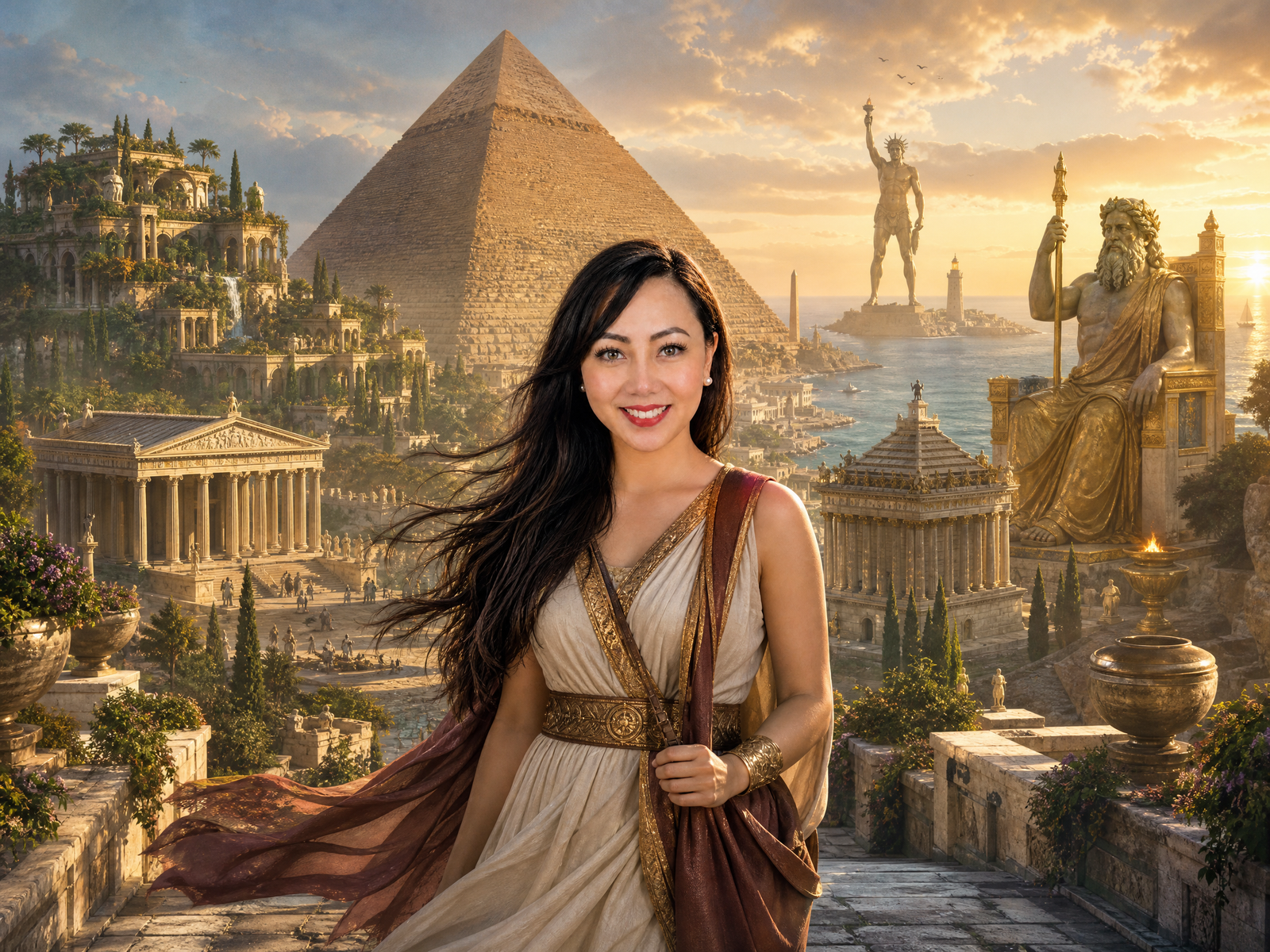
Go from Mellisa’s reconstructed journey through the Seven Wonders to the archaeological reality: what still stands, what survives only in fragments and what remains debated.
Beyond the Video
A story should lead somewhere useful.
The companion pages are where a fast-moving video becomes a deeper journey. Explore timelines, source material, historical context and official visitor information connected to the setting.
Where relevant, clearly disclosed travel-partner links may appear. Mellisa Time Traveler may earn a commission if you book through these links, at no additional cost to you.
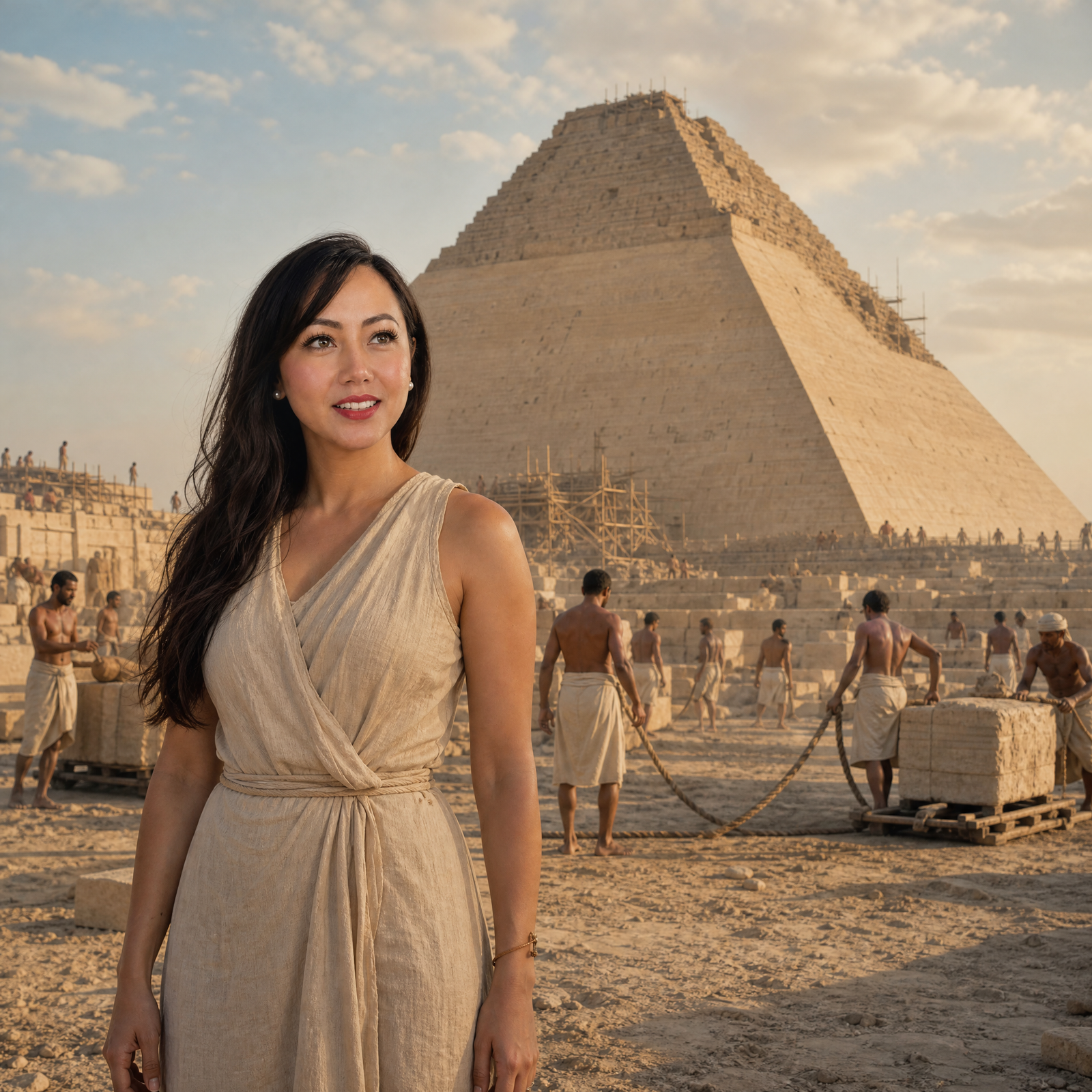
Continue Exploring
Watch the adventure. Then follow the evidence.
Move from an immersive episode to the place and history behind it.